
Methelyne Blue
Intro
Originally created as a textile dye in 1876, it's now recognised for its role as an alternative electron carrier in mitochondria.
Scientific studies have proven MB's cognitive effects and it’s antimicrobial powers (it was one of the earliest antimalarial drugs). But here are the risk-factors you should be aware of:
1 - The Herxheimer reaction
When MB rapidly kills bacteria, they release endotoxins faster than your body can clear them. This causes temporary inflammatory responses that manifest as "die-off" symptoms.
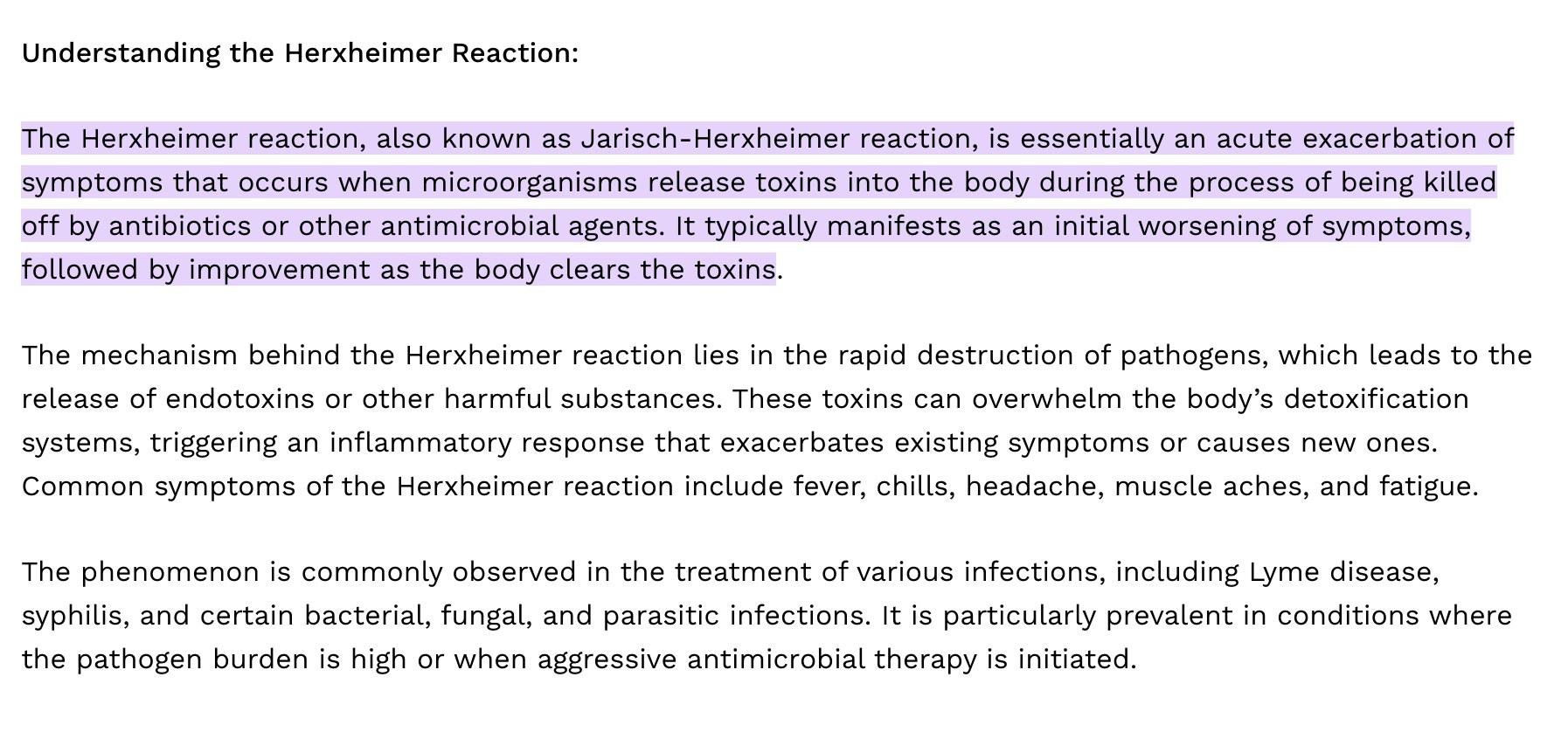
Herxheimer reactions from MB can include:
- Headaches
- Debilitating fatigue
- Nausea
- Brain fog
- Flu-like symptoms
- Muscle aches
- Fever or chills
These symptoms are documented in Lyme disease treatment literature.
2- MB's role as a Monoamine Oxidase Inhibitor (MAOI).
Studies confirm MB is a potent reversible inhibitor of MAO-A, which normally breaks down serotonin and other neurotransmitters. By blocking this enzyme, MB increases serotonin levels.
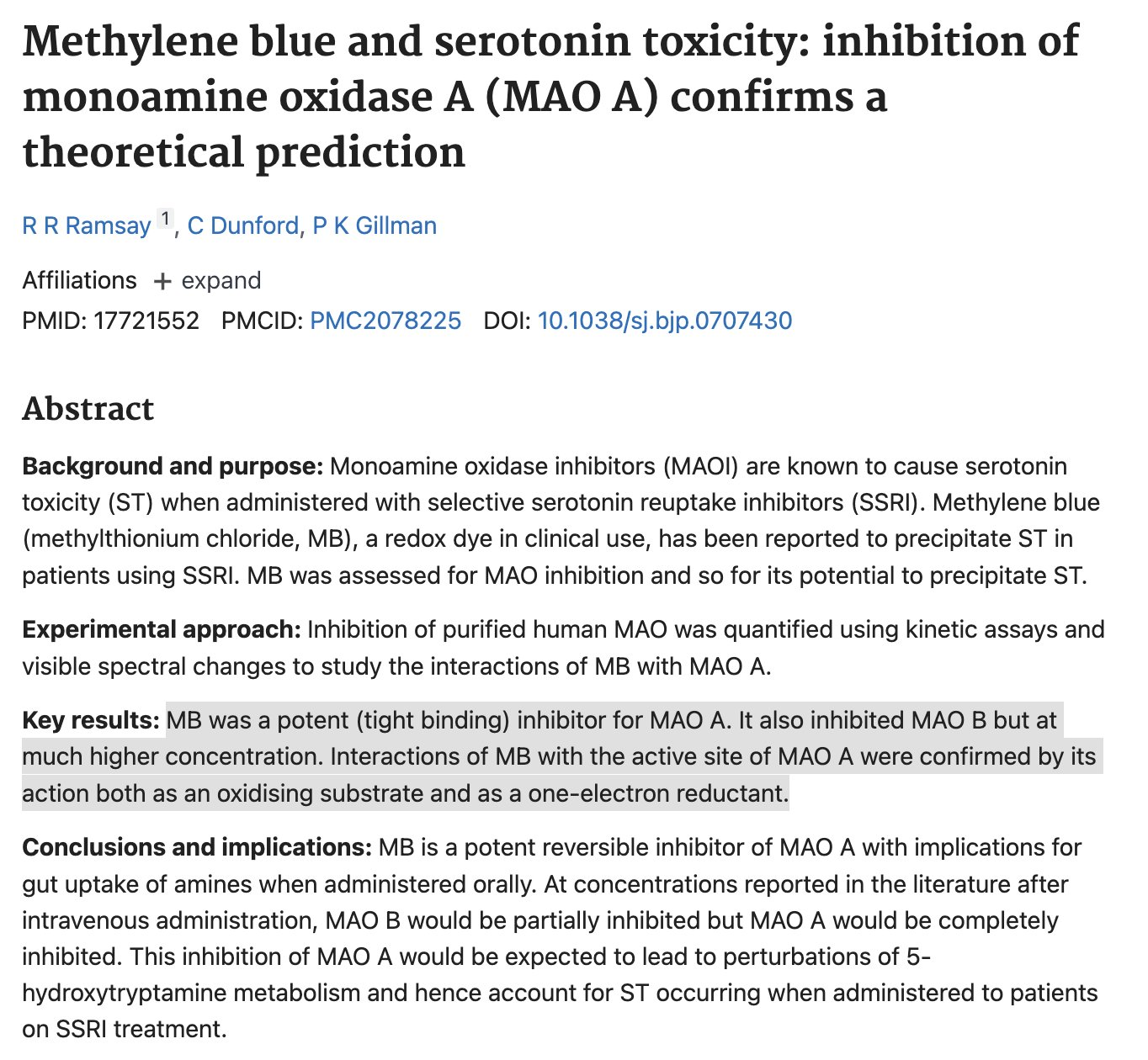
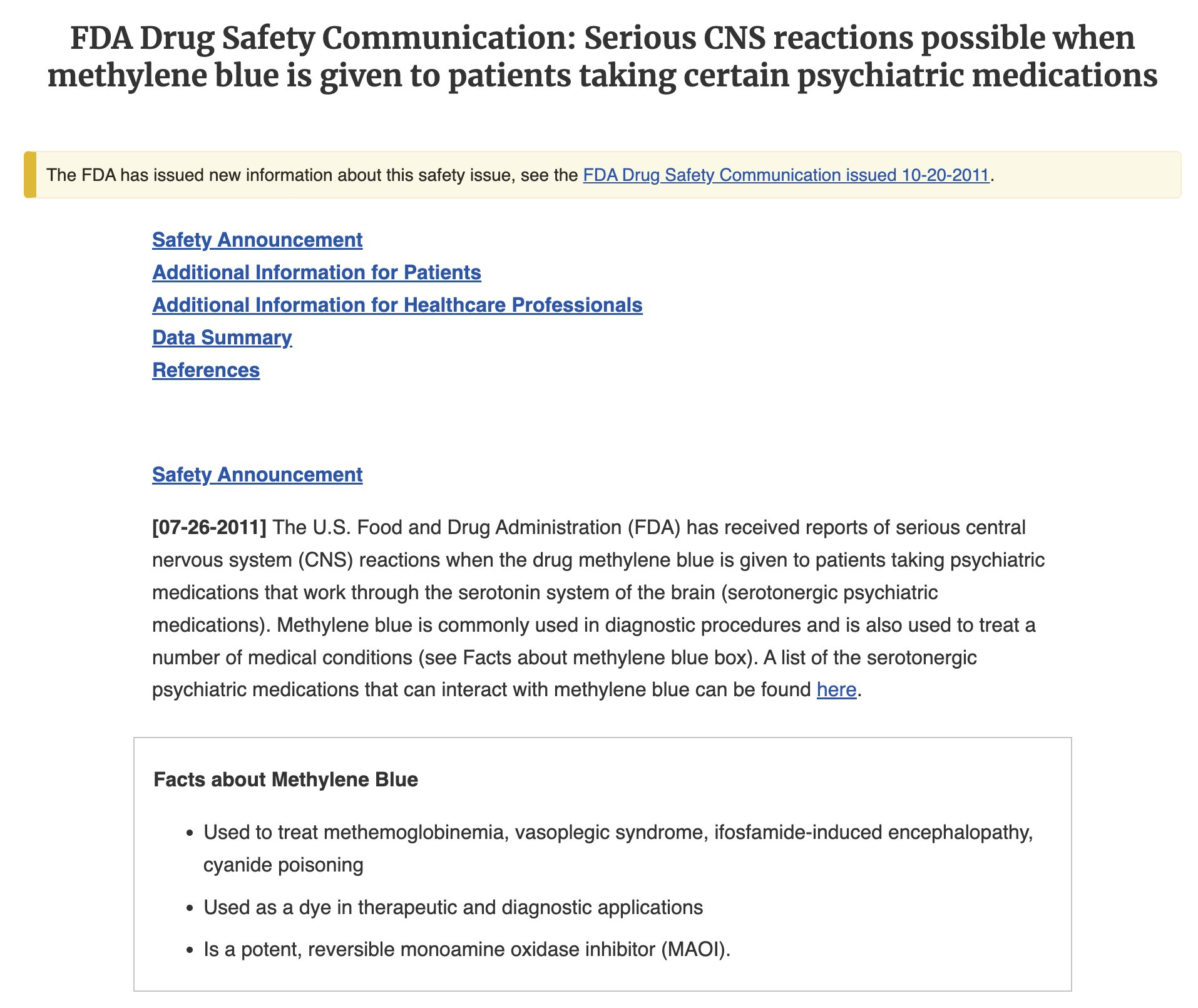
This MAOI activity creates a serious danger: combining MB with serotonergic drugs can trigger serotonin syndrome. The FDA has issued explicit warnings about this interaction, citing severe CNS reactions when MB is given to patients on psychiatric medications
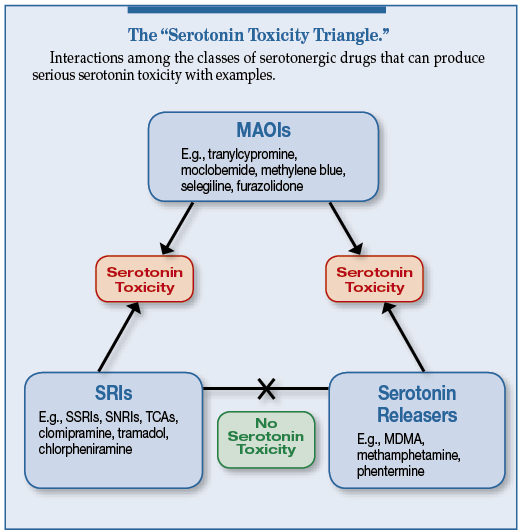
Symptoms of serotonin syndrome include:
- Mental status changes (confusion, agitation)
- Neuromuscular abnormalities (tremor, muscle rigidity)
- Autonomic instability (sweating, fever)
- High blood pressure
- Seizures
Medical literature includes fatal cases.