
Methelyne Blue
MB Intro
Originally created as a textile dye in 1876, it's now recognised for its role as an alternative electron carrier in mitochondria.
Methylene blue acts as an electron shuttle in the mitochondria, bypassing blocks in the electron transport chain. This helps maintain energy (ATP) production when the normal pathway is impaired.
MB Benifits
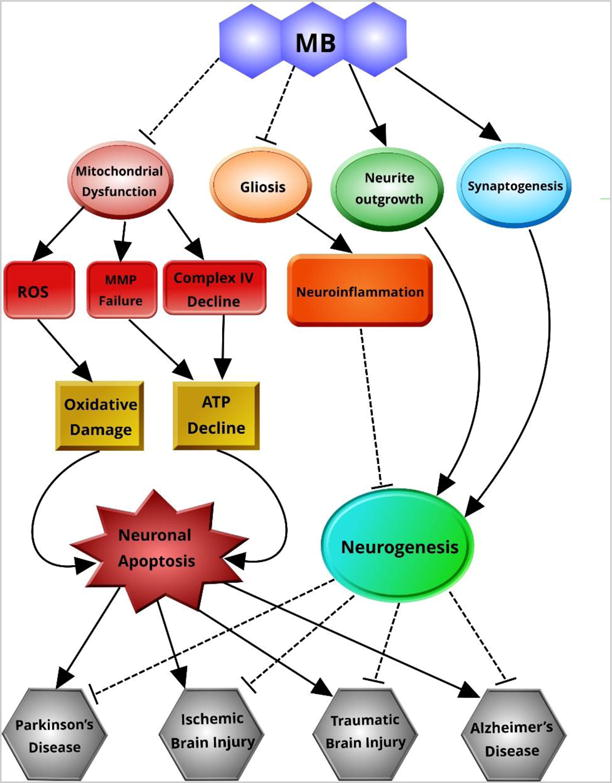
Brain Mitochondrial Enhancer
Our brain relies on oxidative metabolism for energy, making proper mitochondrial function crucial for brain health. MB prevents premature brain cell death while supporting energy production and the growth of new neural connections
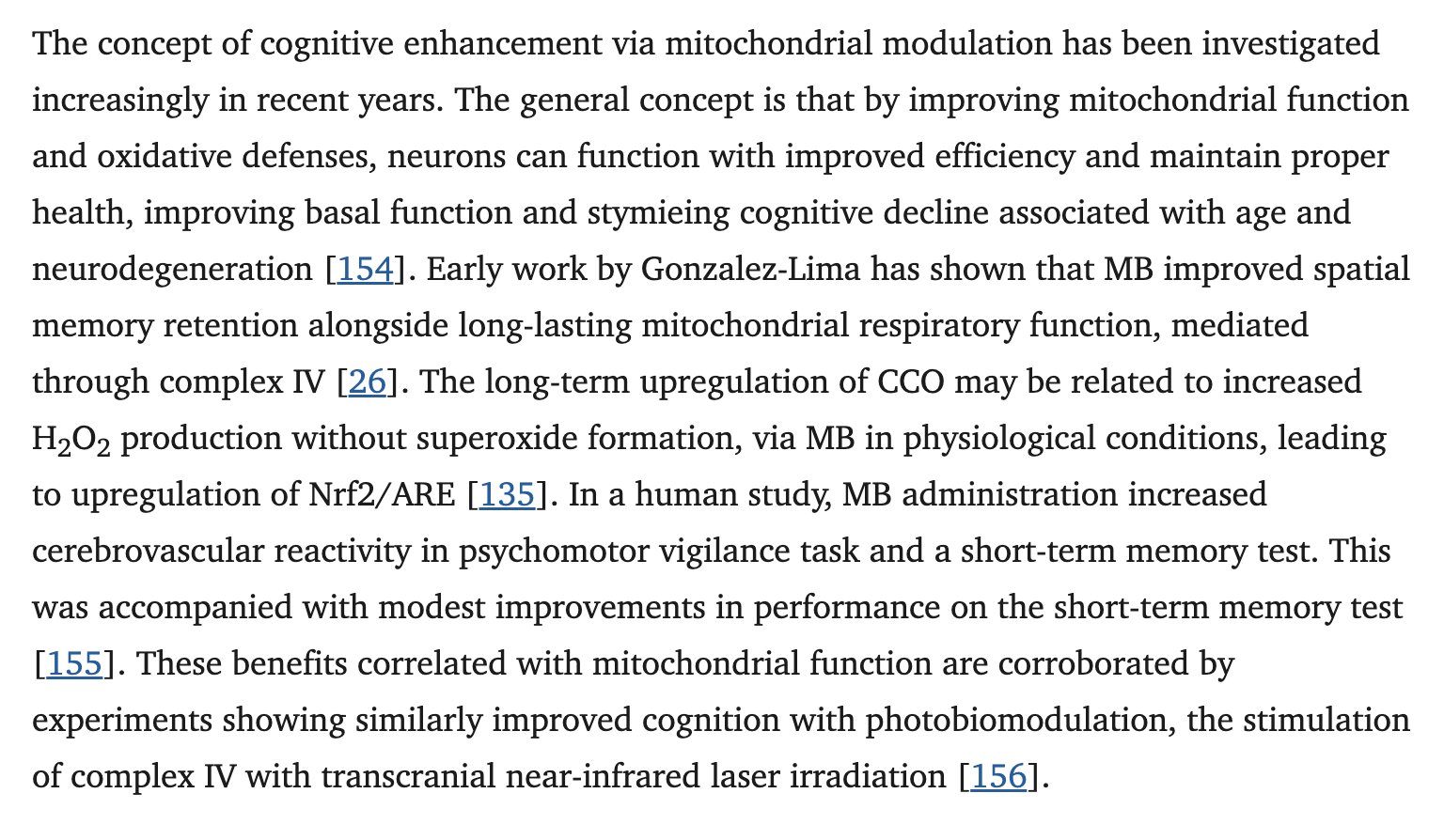
2 - Cognitive Enhancer
MB is known as a nootropic. It increases ATP production in the brain, providing the energy needed for enhanced brain performance. It's one of the best options for improving attention span, memory, and overall cognition.
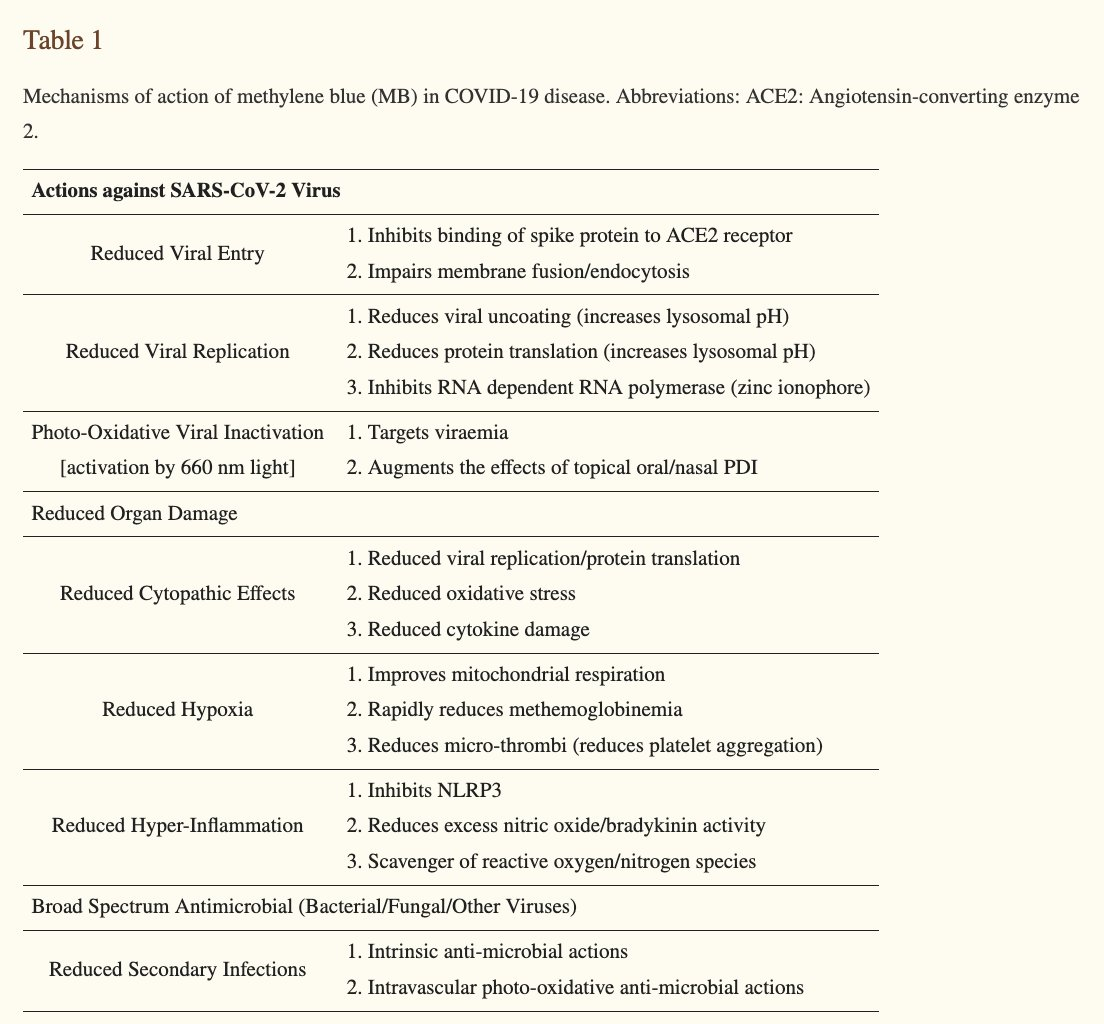
3 - MB Against Infectious Diseases
MB has antimicrobial properties, making it effective against various pathogens (bacterial, viral, and fungal). It also aids in C19 treatment by inhibiting SARS-CoV2 replication.
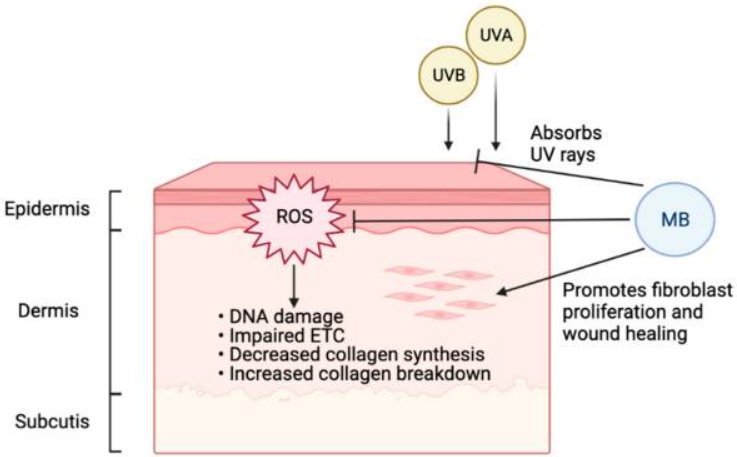
4 - MB Delays Skin-Aging
MB has the ability to delay skin aging as well
• Increases cell longevity
• Protects skin from UV exposure
• Accelerates the wound healing process
Additionally, MB's antimicrobial properties are beneficial for skin, too.
5 - MB as Anti-Depressant
MB works as a monoamine oxidase inhibitor (MAOI), increasing serotonin, norepinephrine, and dopamine levels.
Plus, it reduces brain inflammation.
Clinical research shows 15mg/day significantly improved depression symptoms compared to placebo in a controlled trial

Dosage
- Start with 5 drops (2.5 mg) daily, steadily increase to 12 (6 mg) if you respond well
- Up to 15 drops (7.5 mg) if I have a key outcome that I’m taking it for (anti-infection, cognitive enhancement, etc.)
- I have experimented with 15 drops twice per day and seen diminishing returns. (No additional benefits seen)
Consumption
Add MB to fresh orange juice to avoid blue tongue/mouth staining. Other liquids that also work well: Kombucha, raw milk. Be cautious not to spill—it stains. Note: If it does get on your skin, it’s always worn off within a day for me
MB Side effects
Scientific studies have proven MB's cognitive effects and it’s antimicrobial powers (it was one of the earliest antimalarial drugs). But here are the risk-factors you should be aware of:of
1 - The Herxheimer reaction
When MB rapidly kills bacteria, they release endotoxins faster than your body can clear them. This causes temporary inflammatory responses that manifest as "die-off" symptoms.
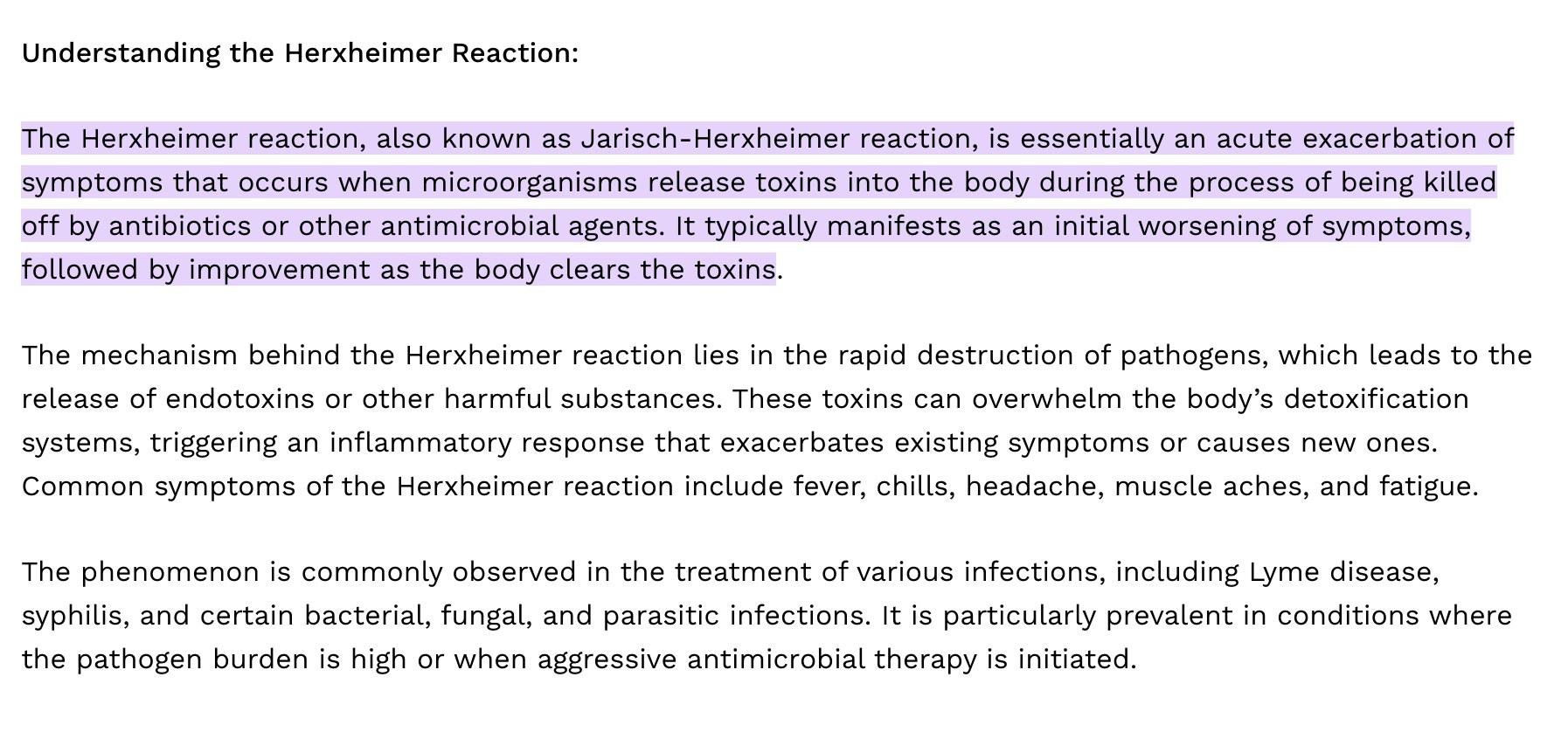
Herxheimer reactions from MB can include:
- Headaches
- Debilitating fatigue
- Nausea
- Brain fog
- Flu-like symptoms
- Muscle aches
- Fever or chills
These symptoms are documented in Lyme disease treatment literature.
2- MB's role as a Monoamine Oxidase Inhibitor (MAOI).
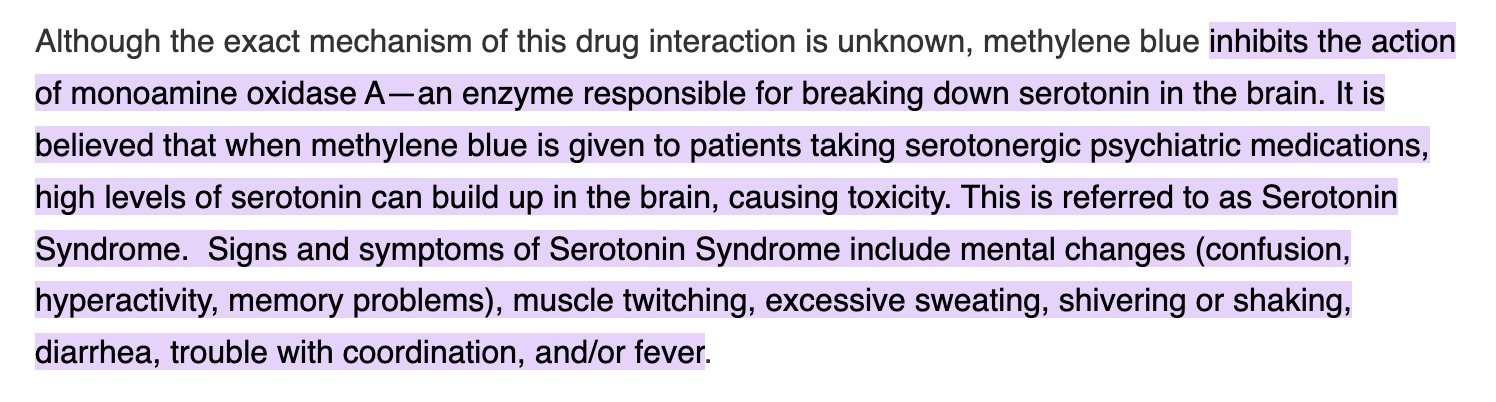
Studies confirm MB is a potent reversible inhibitor of MAO-A, which normally breaks down serotonin and other neurotransmitters. By blocking this enzyme, MB increases serotonin levels.
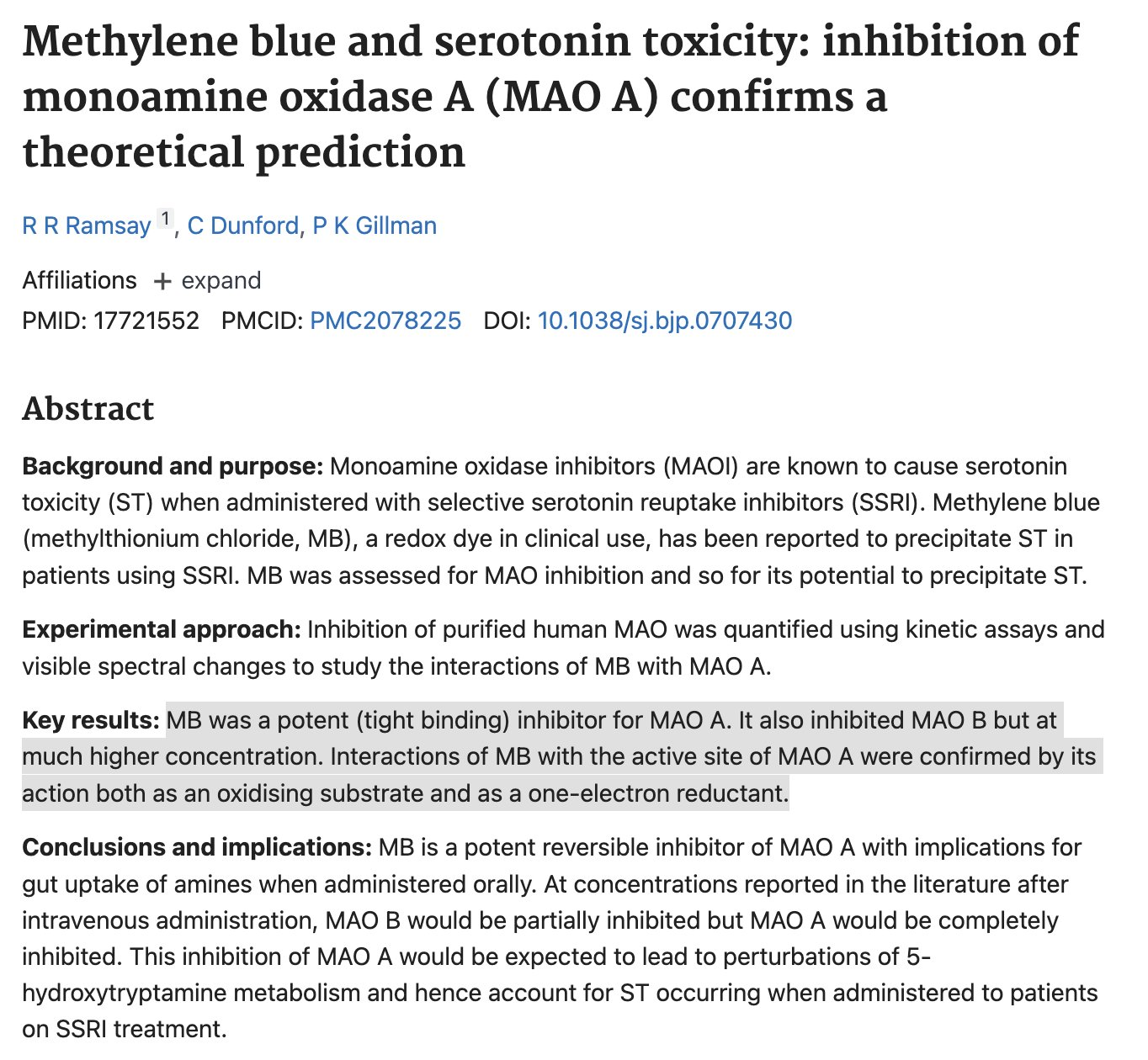
This MAOI activity creates a serious danger: combining MB with serotonergic drugs can trigger serotonin syndrome. The FDA has issued explicit warnings about this interaction, citing severe CNS reactions when MB is given to patients on psychiatric medications
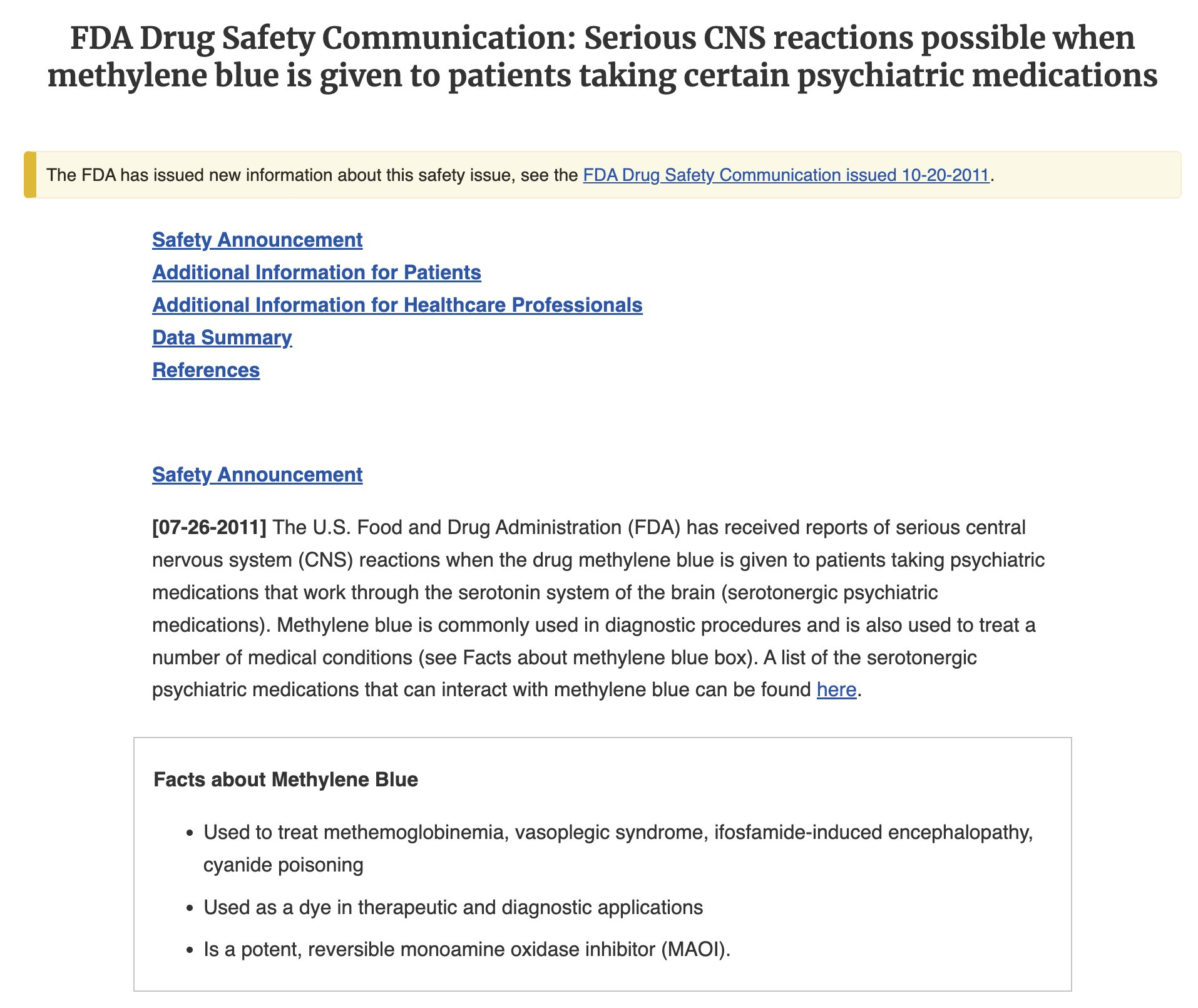
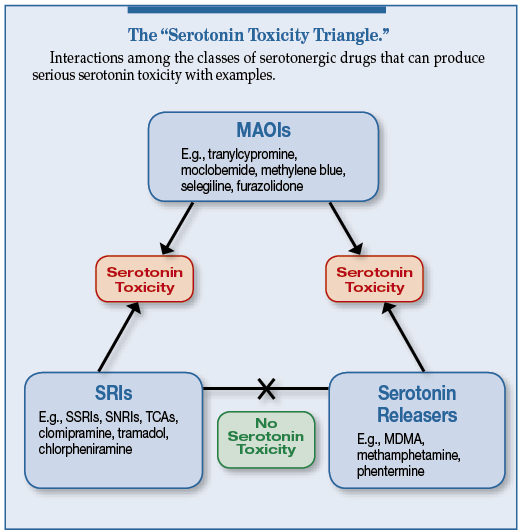
Symptoms of serotonin syndrome include:
- Mental status changes (confusion, agitation)
- Neuromuscular abnormalities (tremor, muscle rigidity)
- Autonomic instability (sweating, fever)
- High blood pressure
- Seizures
Medical literature includes fatal cases.
3 - MB with dopaminergic substances.
If MB is combined with L-DOPA, selegiline, or stimulants (Adderall), it can inhibit dopamine breakdown and increase synthesis via mitochondrial effects. This risks dopaminergic overstimulation (agitation, insomnia, paranoia).
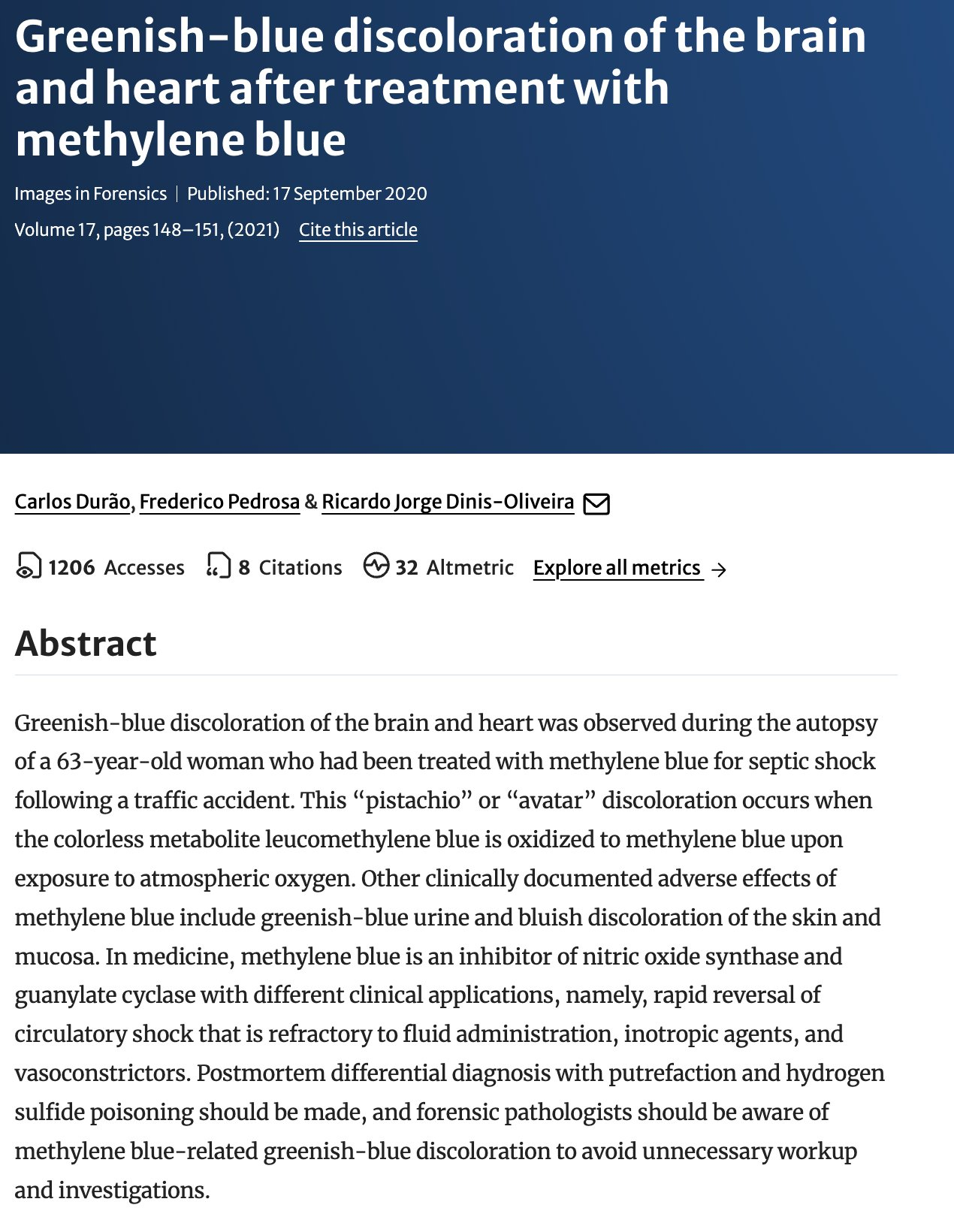
4 - MB can turn your brain blue
But only under specific conditions like high doses (>5 mg/kg or >300-400mg/day), chronic use (daily for months/years), IV administration, etc. Most cases are seen in post-mortem studies.
Here are supplements and substances to AVOID with Methylene Blue:
- 5-HTP • L-Tryptophan
- St. John's Wort
- Rhodiola rosea
- SAMe
- SSRIs, SNRIs, TCAs
- Tramadol, dextromethorphan
- L-DOPA (mucuna pruriens)
To minimise die-off reactions if using MB: Start with micro-doses (0.5-1mg) and increase by 0.5mg every 4-5 days Stay hydrated with electrolytes. And don’t forget to take breaks between usage periods.
Who should NOT use Methylene Blue
- Anyone on SSRIs, SNRIs
- Pregnant or breastfeeding women
- Those with G6PD deficiency
- People with severe gut dysfunction or dysbiosis
- Individuals with kidney disease / renal insufficiency